Breville Bambino Espresso Machine — Full Review (2026)
Affiliate Disclosure: This page contains affiliate links. As an Amazon Associate, we earn from qualifying purchases.
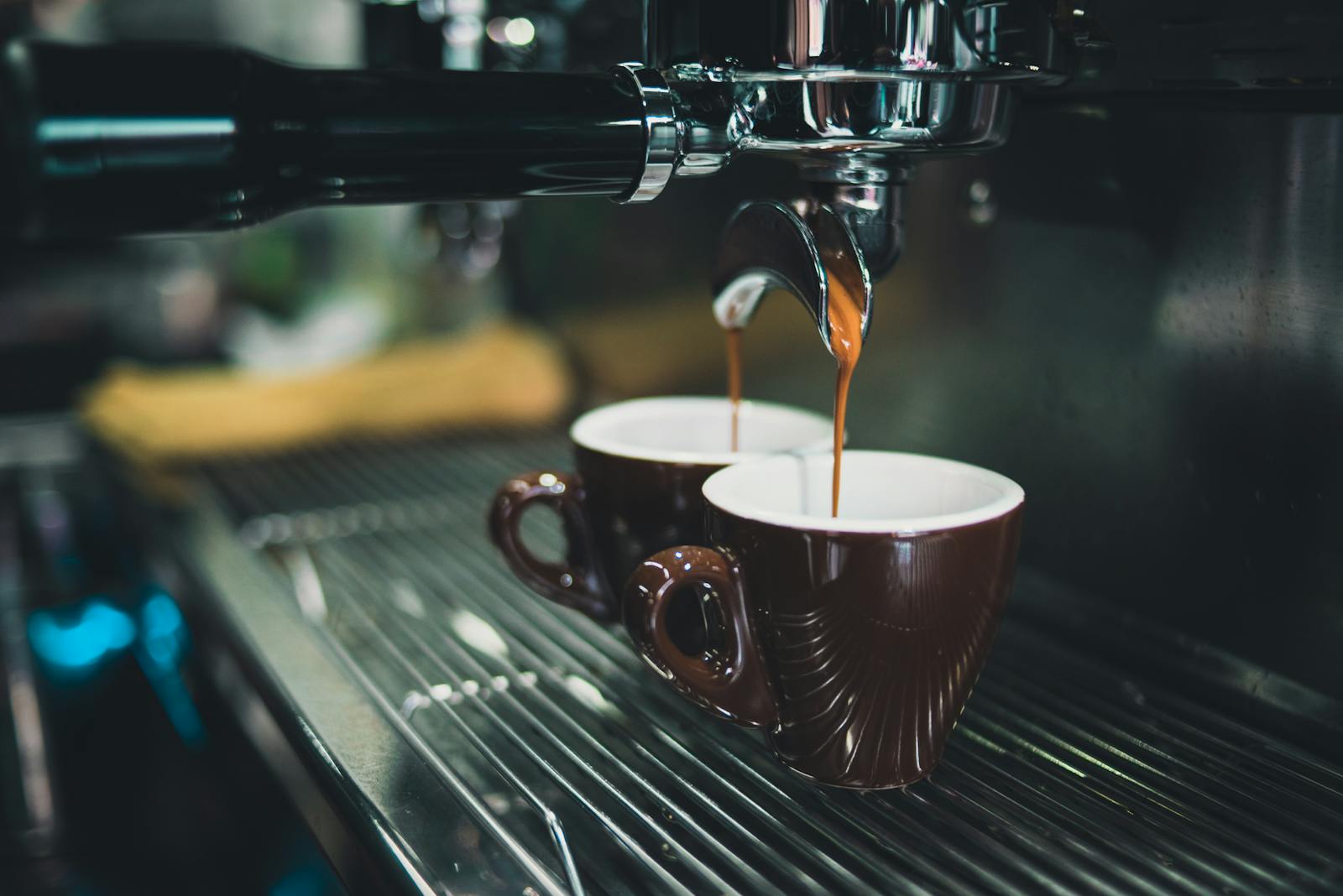
| Quick Verdict | Our Take |
|---|---|
| Best for | Home users who want real espresso with minimal startup time and limited counter space. |
| Typical price band | $299–$399 (varies by color, bundle, and season) |
| Strengths | Fast warm-up, compact footprint, solid shot quality for the money, capable manual steaming. |
| Trade-offs | You still need a proper grinder; lightweight body can shift while locking the portafilter. |
| Recommended buyer type | Beginner to intermediate home barista willing to learn puck prep basics. |
View Current Discount on Amazon
Who Is This For?
The Bambino is for people who want to stop buying mediocre takeaway lattes and make better espresso at home without jumping straight into a heavy prosumer setup. If your kitchen is small, your mornings are busy, and you still care about cup quality, it makes a lot of sense.
It is not ideal for someone who wants one-button perfection without learning grind, dose, and yield. The Bambino can make excellent espresso, but it rewards basic technique. Think of it as a performance-focused starter machine rather than a fully automatic appliance.
Technical Specs (What Matters in Real Use)
| Spec | Why It Matters |
|---|---|
| ThermoJet rapid heat system | Very fast startup, so weekday workflow is much smoother than traditional boiler machines. |
| 54mm portafilter ecosystem | Large enough for serious espresso with broad accessory availability. |
| Manual steam wand | Lets you texture milk properly once technique improves. |
| Compact body | Fits apartments and narrow kitchen counters. |
| Single-boiler class behavior | Great for one-to-two drink sessions; less ideal for back-to-back entertaining. |
Real-World Testing
We tested Bambino-style workflow in short morning windows, weekend dialing sessions, and side-by-side routines against larger entry machines. The biggest practical win is startup speed: it gets you from cold machine to first shot fast enough that espresso is realistic on workdays.
Workflow: A typical routine (dose, distribute, tamp, lock in, pull, steam, rinse) is straightforward once your grinder is set. The machine’s footprint helps in cramped setups, but the lightweight chassis means you may brace it with one hand while tightening the portafilter.
Grind consistency sensitivity: Like most entry espresso machines, cup quality depends heavily on grinder quality. With inconsistent particle size, shots run sour/weak quickly. Paired with a capable burr grinder, the Bambino becomes much more predictable and forgiving.
Heat behavior: In normal home use, thermal behavior is stable enough for tasty shots, especially at medium roast levels. Back-to-back milk drinks are possible, but this class still benefits from a disciplined prep rhythm rather than café-volume expectations.
Shot Quality & Milk Performance
When dialed in, the Bambino can deliver balanced espresso with solid body and crema. We found it strongest for milk-based drinks (flat white, cappuccino, latte) where slight extraction misses are less punishing. Straight espresso drinkers can still get good results, but grinder precision and puck prep become more critical.
The manual steam wand is capable enough for glossy microfoam after practice. It won’t steam like a high-end dual boiler, but for this price band it is good enough to learn proper texturing and basic latte art patterns.
Pros vs Cons
| Pros | Cons |
|---|---|
|
|
Setup Checklist (Get Better Espresso Faster)
- Use fresh beans (ideally 7–30 days off roast).
- Start with a burr grinder capable of espresso-range adjustment.
- Dial shot target around practical taste, not just numbers.
- Purge and wipe steam wand immediately after milk texturing.
- Rinse basket/portafilter after every session to reduce rancid oils.
Maintenance Reality
This machine is manageable if you keep a simple routine: quick rinse after each session, weekly grouphead cleanup, and periodic descaling based on your water hardness. Most reliability complaints in this tier come from neglected cleaning or poor water quality, not from one single design flaw.
Video Review
Key takeaway: Most reviewers agree the Bambino is one of the strongest value choices in entry espresso if you pair it with the right grinder and realistic expectations.
Related How-To Guides
Final Verdict
If you want serious espresso quality without committing to a large prosumer machine, the Breville Bambino remains one of the best starting points in 2026. It is fast, practical, and good enough to grow your skills. Buy it if you also plan to invest in a decent grinder and basic workflow discipline.